What Google AI search means for local SEO strategy in 2026
Google AI search is changing what a strong local SEO strategy looks like in 2026. For local businesses, the issue is not simply lower traffic from traditional rankings. It is a deeper shift in how people discover, compare, and decide. When Google can answer more questions directly inside search, businesses have fewer chances to rely on blue link clicks alone. That means visibility must now be earned across brand signals, website clarity, local authority, and search-ready content that helps both people and AI systems understand what makes a business credible.
This matters most for established businesses that already offer quality services but still struggle to appear consistently in the moments that shape demand. A polished website, accurate local listings, useful location content, and clear positioning all work together now. Rankings still matter, but they are no longer the whole strategy.
Why Google AI Search Changes Local Discovery
Google has been moving toward more direct answer formats for years, and its AI-driven experiences push that even further. Google has also made it clear through Search Central documentation that helpful, accessible, people-first content remains foundational. The difference now is that searchers may get a summarized answer before they ever visit a website.
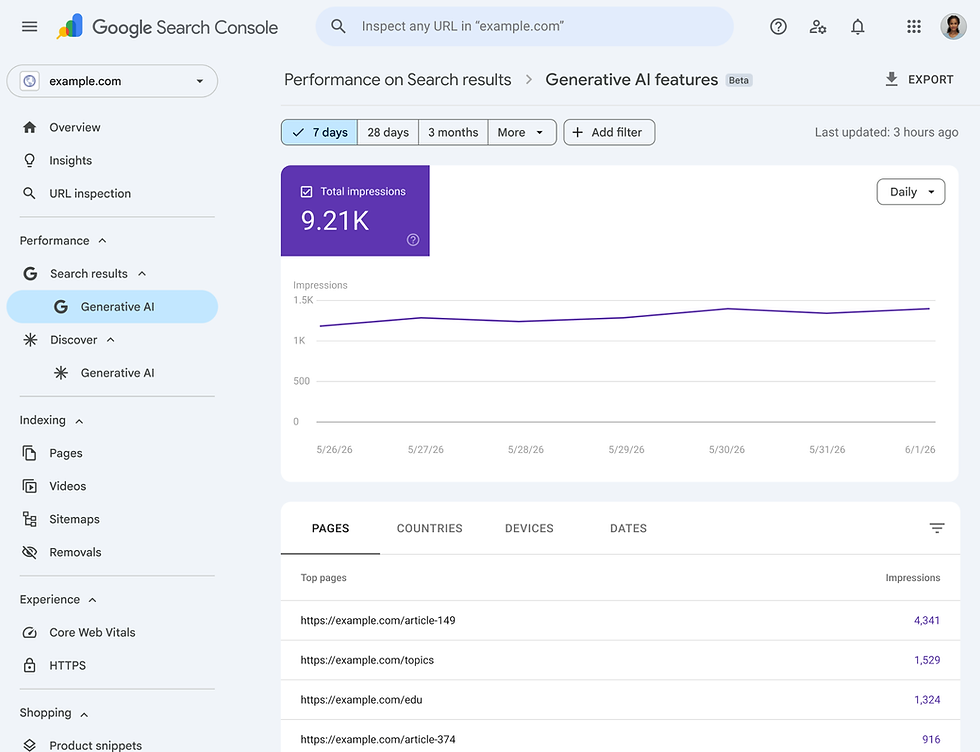
For local brands, that creates a new reality. Your business may be visible in search without receiving the same volume of clicks as before. In some cases, that sounds negative. In practice, it means a local SEO strategy must be designed around influence, not just traffic. If your brand is referenced, surfaced, or trusted in Google's AI-generated responses, you may still shape consideration even when the customer journey looks less linear.
The businesses that struggle with this shift are usually the ones that built their search presence too narrowly. They focused on ranking a service page and little else. That approach leaves too many gaps in authority, context, and relevance.
What a Modern Local SEO Strategy Needs in 2026
A modern local SEO strategy needs to support how machines interpret your business and how people evaluate it. Those are related, but not identical, challenges. Search systems need clarity. Buyers need confidence.
That means local SEO is now tied closely to brand structure, website architecture, content quality, and local proof points. A strong approach often includes:
clearly defined core services and service areas
consistent business details across local profiles and directories
location-aware content that answers real client questions
a website that explains expertise with precision
trust signals such as reviews, credentials, and case-relevant proof
This is also why website strategy matters more than many businesses assume. If your site is vague, thin, or overly templated, it becomes harder for search systems to interpret your relevance and harder for prospects to trust what they find. Businesses refining their digital foundation often benefit from viewing search as part of a wider visibility system, not a channel in isolation. That is where integrated work across website design and development, brand identity, and digital marketing strategy starts to matter.
Rankings Are No Longer the Main Scoreboard
One of the biggest misconceptions in 2026 is that search visibility can still be measured primarily by keyword position. Rankings still offer useful insight, but they do not fully reflect how Google AI search influences local decision-making.
A business can rank well and still lose attention if its listing, brand presentation, or content does not provide enough context for AI-generated answers or human evaluation. On the other hand, a business with a more cohesive presence may earn better visibility across branded searches, map interactions, follow-up research, and comparison behavior.
This is why smarter teams are broadening what they measure. Instead of asking only, "Did we move up for this keyword?" they are asking better questions:
Are we appearing for the right local intent?
Does our content answer the questions customers ask before they inquire?
Is our brand presentation strong enough to convert attention into trust?
Are more qualified prospects finding us through multiple search touchpoints?
That broader view aligns with how search behavior is evolving. HubSpot's SEO resources consistently emphasize the importance of search intent, content usefulness, and conversion alignment, which is especially relevant for local businesses competing in crowded markets.
Local Authority Now Comes From More Than Listings
For years, many local businesses treated local SEO as a technical checklist. Claim the profile, update the hours, add a few keywords, collect some reviews. Those steps still matter, but they are no longer enough on their own.
In an AI-shaped search environment, authority is built through consistency and depth. Your Google Business Profile, website pages, service descriptions, review language, FAQs, photos, and broader brand signals all contribute to how your business is understood. If those elements are fragmented or generic, your local relevance becomes harder to interpret.
This is one reason businesses should stop separating SEO from brand communication. Strong local visibility depends on saying the right things clearly and consistently. AIGA's perspective on design and communication supports a principle many brands overlook: clarity is not just aesthetic, it is functional. The more coherent your business appears, the easier it is for both users and search systems to trust it.
For premium small to mid-size businesses, this is especially important. Higher value clients are rarely persuaded by convenience alone. They compare positioning, professionalism, and perceived expertise across multiple touchpoints. Local search is often just the first impression.
Content Should Support Discovery, Validation, and Conversion
The next phase of local SEO content is not about publishing more for the sake of volume. It is about filling the gaps between what people ask, what Google summarizes, and what ultimately helps a prospect choose you.
That means content should do three jobs well. First, it should support discovery by making your services, locations, and specialties easy to understand. Second, it should support validation by reinforcing credibility through specificity. Third, it should support conversion by guiding visitors toward action with clarity.
Useful formats often include service pages with sharper differentiation, location pages with real local relevance, FAQ content based on actual buying questions, and educational blog articles that reflect how search behavior is changing. Businesses looking to rethink this more strategically can explore broader thinking around our services or review additional insights on the Italia Designs blog.
The key is not to write for algorithms in a mechanical way. It is to publish content that gives search systems enough context to cite or surface your business while also giving decision-makers enough confidence to contact you.
What Smart Local Businesses Should Do Next
The right response to Google AI search is not panic, and it is not abandoning SEO. It is refining the role SEO plays inside a more complete growth strategy. A clear local SEO strategy in 2026 should connect search visibility with positioning, user experience, and lead quality.
For many businesses, that starts with an honest audit. Is your website actually helping people understand why you are the right choice? Are your local pages distinctive or interchangeable? Do your brand messaging and service descriptions reflect your current level of quality? Are you visible only when someone searches your name, or also when they search the need you solve?
The brands that will hold their ground in this environment are not the ones chasing every update. They are the ones building a search presence that is structured, credible, locally relevant, and commercially aligned. SEO is still important. It just works best now when it is supported by better strategy across the entire digital experience.
Frequently Asked Questions
Is local SEO still worth investing in if AI answers reduce clicks?
Yes. Local SEO still shapes discovery, trust, and consideration even when fewer users click traditional listings. The goal is no longer traffic alone. It is qualified visibility at the moments when buyers compare local options.
What is the biggest mistake businesses make with local SEO strategy in 2026?
The biggest mistake is treating local SEO as a narrow rankings exercise. Businesses that focus only on keywords and listings often miss the larger factors that influence visibility now, including messaging clarity, website quality, authority signals, and conversion readiness.
How can a local business adapt without constantly reacting to every Google update?
Focus on durable fundamentals. Build clear service pages, maintain accurate local information, strengthen brand consistency, publish useful content, and make your website easier to understand for both users and search systems. That creates a stronger foundation than chasing short-term tactics.
If your business needs a more cohesive search presence, brand foundation, or website strategy, Italia Designs can help you approach visibility with greater clarity and commercial intent. Reach out at hello@italiadesigns.nyc or call (631) 445-3675